

The plain-language peptide reference
Understand what each peptide does — and how it may benefit you
Health4You.co is an independent educational guide. We explain what peptides are, what each one is studied for, and how they relate to wellness, fitness, and recovery — in language anyone can follow.
Independent · Educational · Jargon-free

Educational reference — never medical advice

Why it matters
Small molecules, real biology
Peptides work by speaking the body's own chemical language. Health4You.co translates the research so you can tell the difference between what is actually being studied and what is just marketing.
The peptides people ask about most
A starting point — each card summarizes what the peptide is studied for in one line. The full science behind how peptides work follows below.
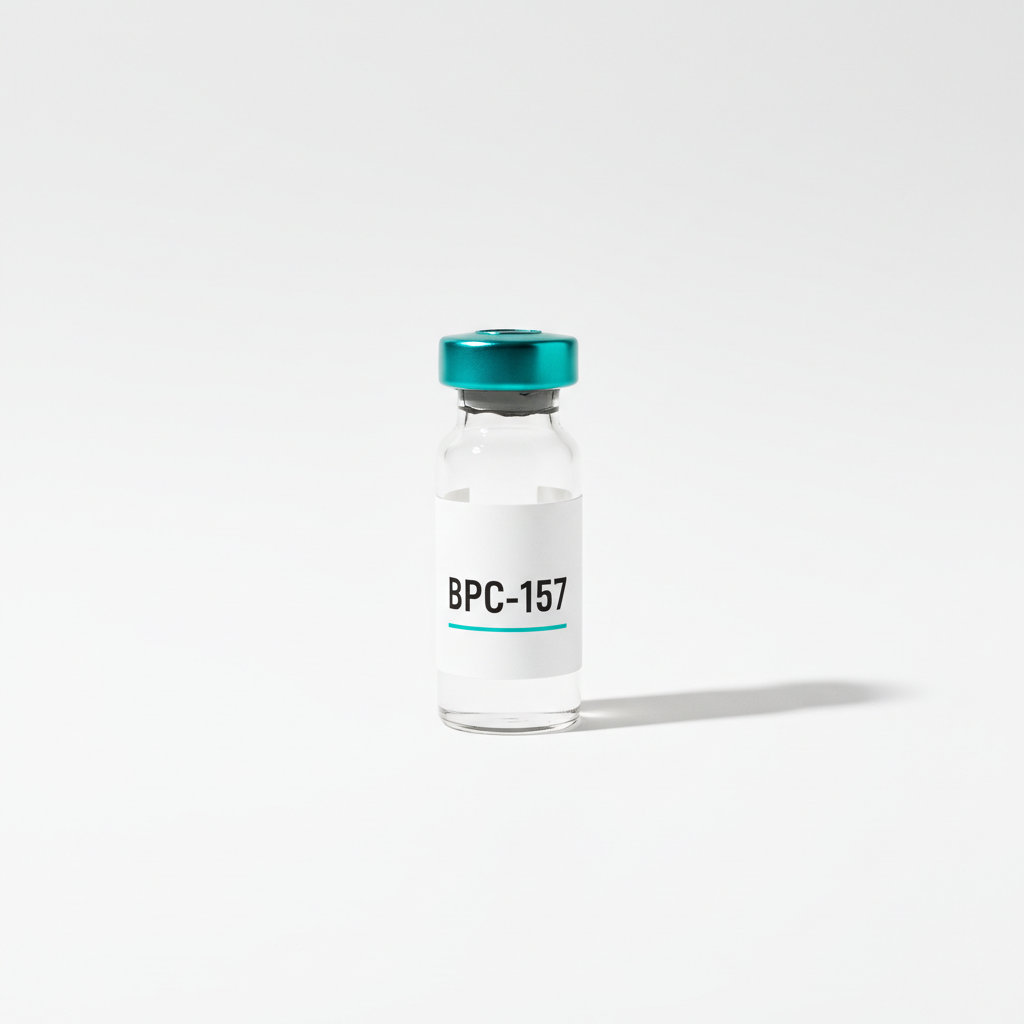 Recovery & healingBPC-157
BPC-157
An experimental synthetic peptide made up of 15 amino acids.
It is derived from a protective protein found in human stomach juice and has attracted attention for its potential role in tissue repair, injury recovery, and inflammation.
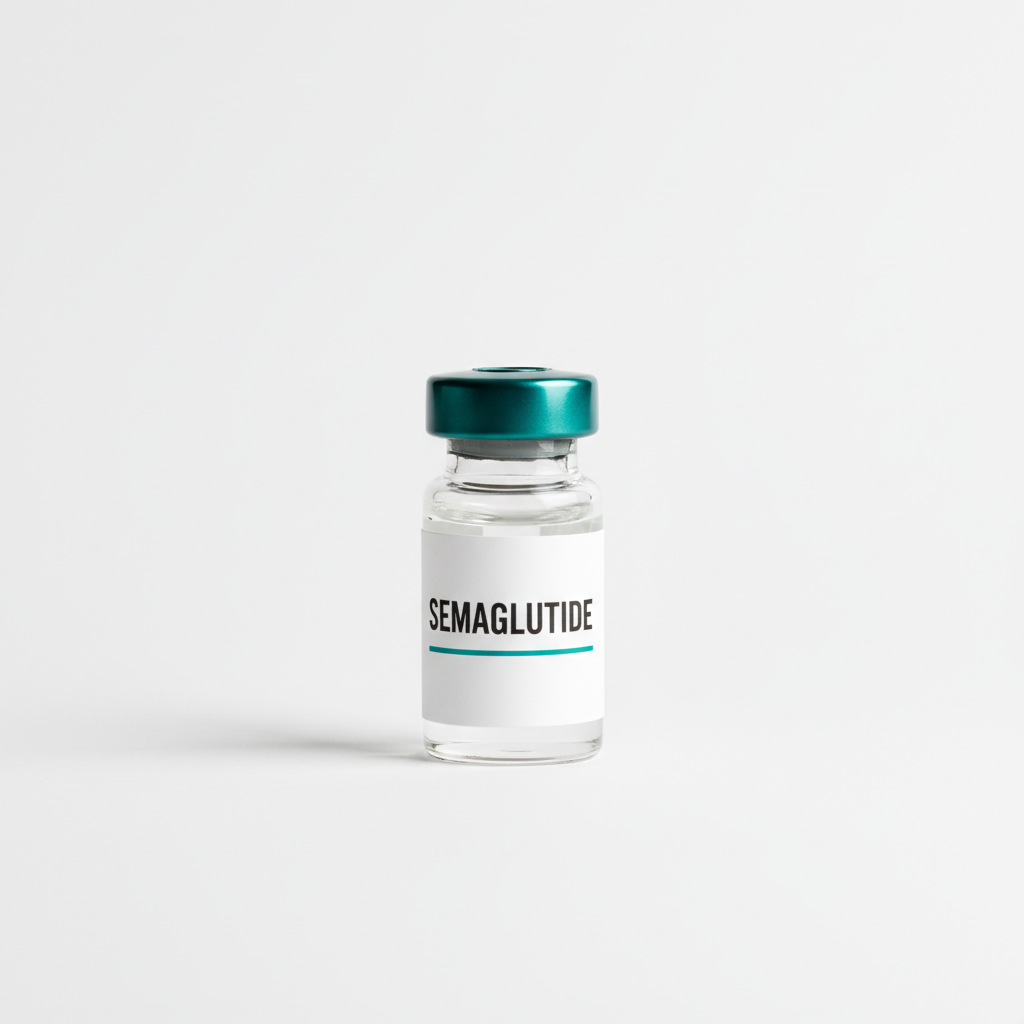 Metabolic healthSemaglutide
Semaglutide
A prescription medication primarily used for weight loss, blood sugar control, and improving certain aspects of metabolic health.
It belongs to a class of medications called GLP-1 receptor agonists. It works by mimicking a natural hormone in your body that helps regulate appetite, digestion, and blood sugar.
You may know it by its brand names:
- Ozempic — Primarily prescribed for type 2 diabetes, with additional cardiovascular and kidney benefits for certain patients.
- Wegovy — Specifically approved for chronic weight management and certain cardiovascular risk-reduction uses.
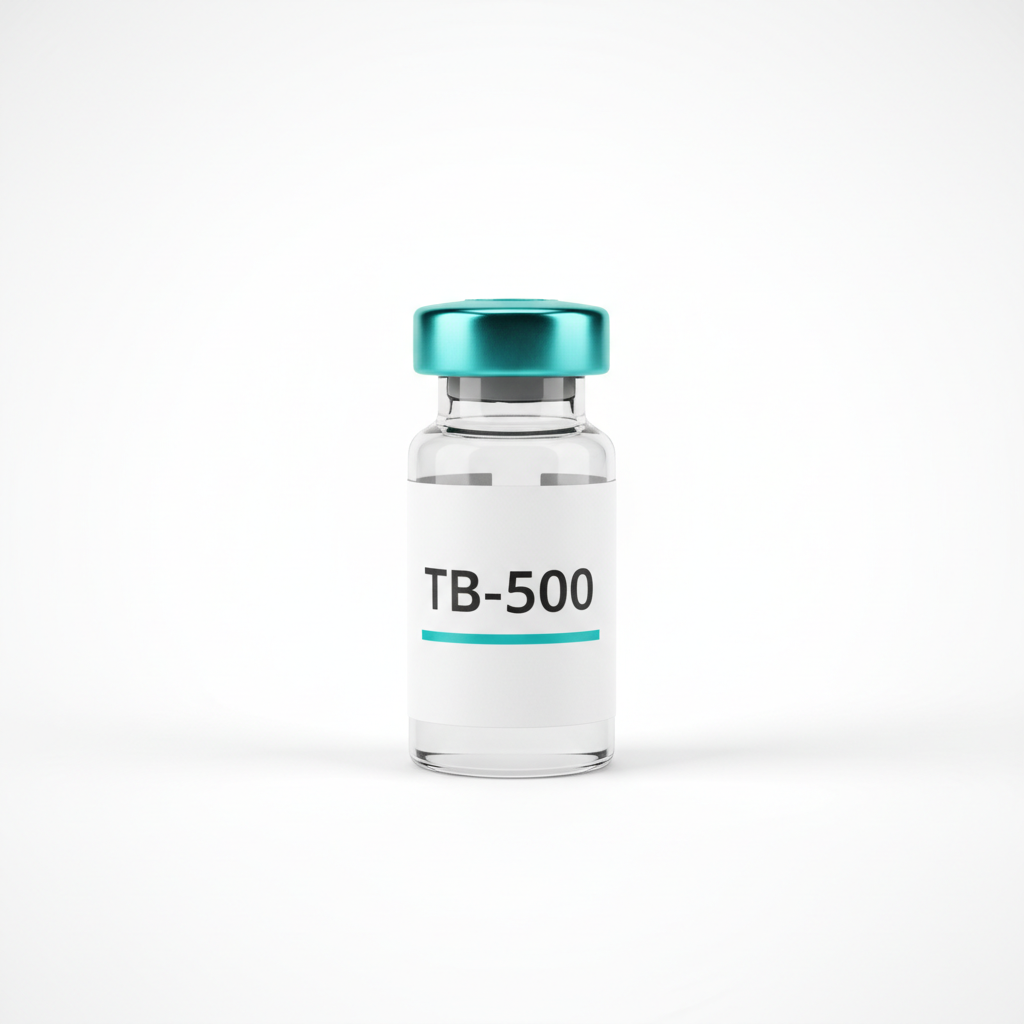 Recovery & healingTB-500
TB-500
A synthetic peptide associated with a naturally occurring protein in the body called Thymosin Beta-4 (Tβ4).
It is commonly marketed in the fitness, bodybuilding, and recovery communities as a peptide that may help with muscle repair, tendon and ligament recovery, inflammation, and tissue healing.
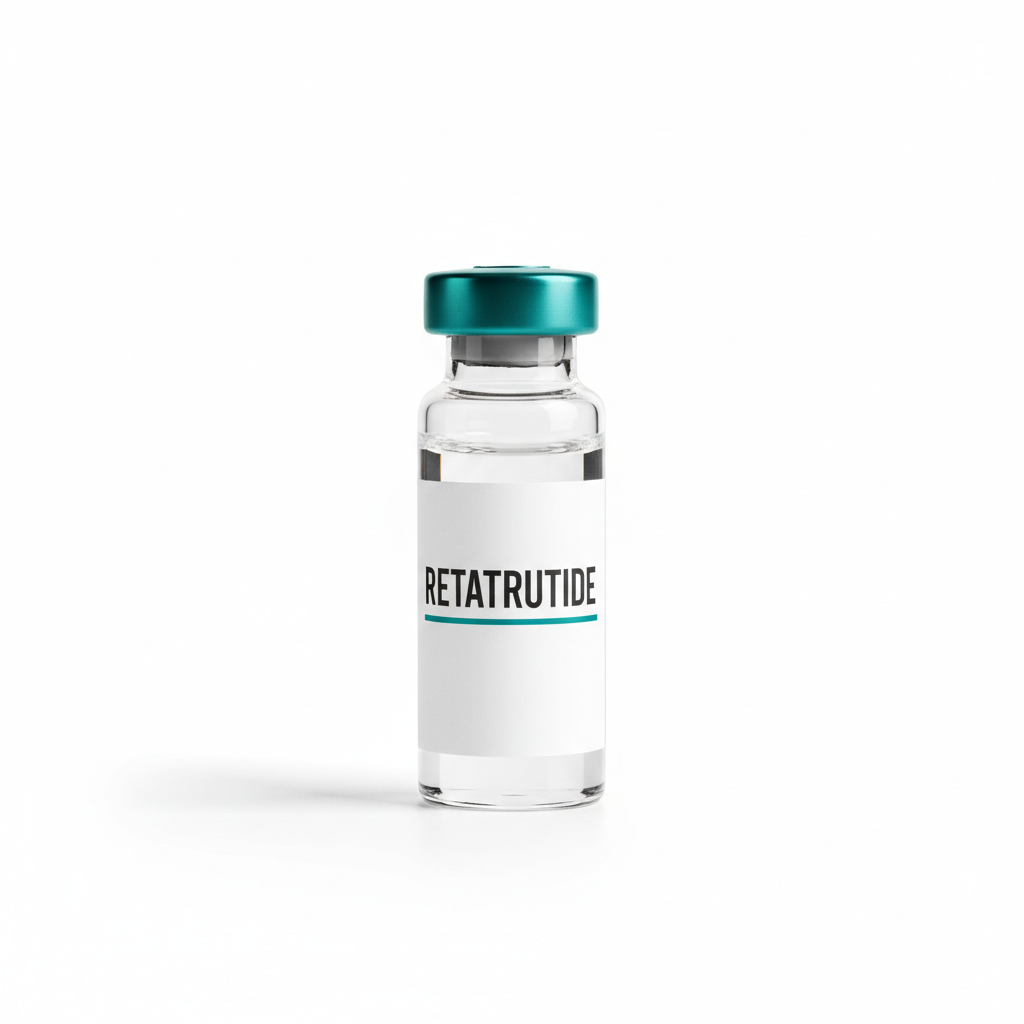 Metabolic healthRetatrutide
Retatrutide
An experimental weight-loss medication still being studied in clinical trials.
It is considered one of the most promising next-generation medications for obesity and metabolic health because it targets three different hormone receptors instead of one.
It is sometimes called a triple agonist because it activates GLP-1, which reduces appetite and helps you feel full; GIP, which helps regulate insulin and blood sugar and influences metabolism; and Glucagon, which may increase energy expenditure and influence how the body processes stored energy.
Unlike Semaglutide, which targets GLP-1, and Tirzepatide, which targets GLP-1 and GIP, Retatrutide targets all three.
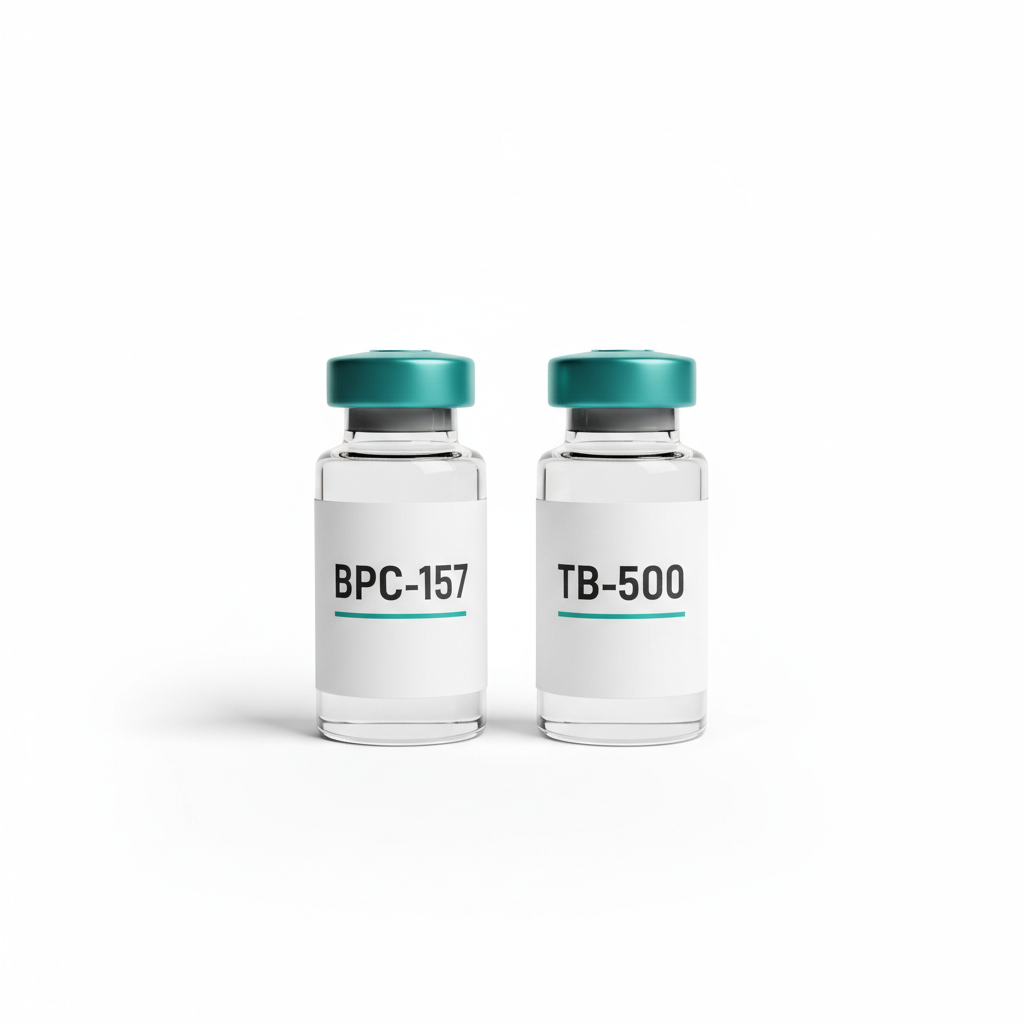 Recovery & healingWolverine (BPC-157 & TB-500)
Wolverine (BPC-157 & TB-500)
A combination of two experimental peptides: BPC-157 and TB-500 — also called the Wolverine Stack.
It has become popular in bodybuilding, fitness, and injury-recovery communities because both peptides are being investigated for their potential roles in tissue repair and healing.
The name comes from the fictional character Wolverine, who is known for his ability to heal rapidly.
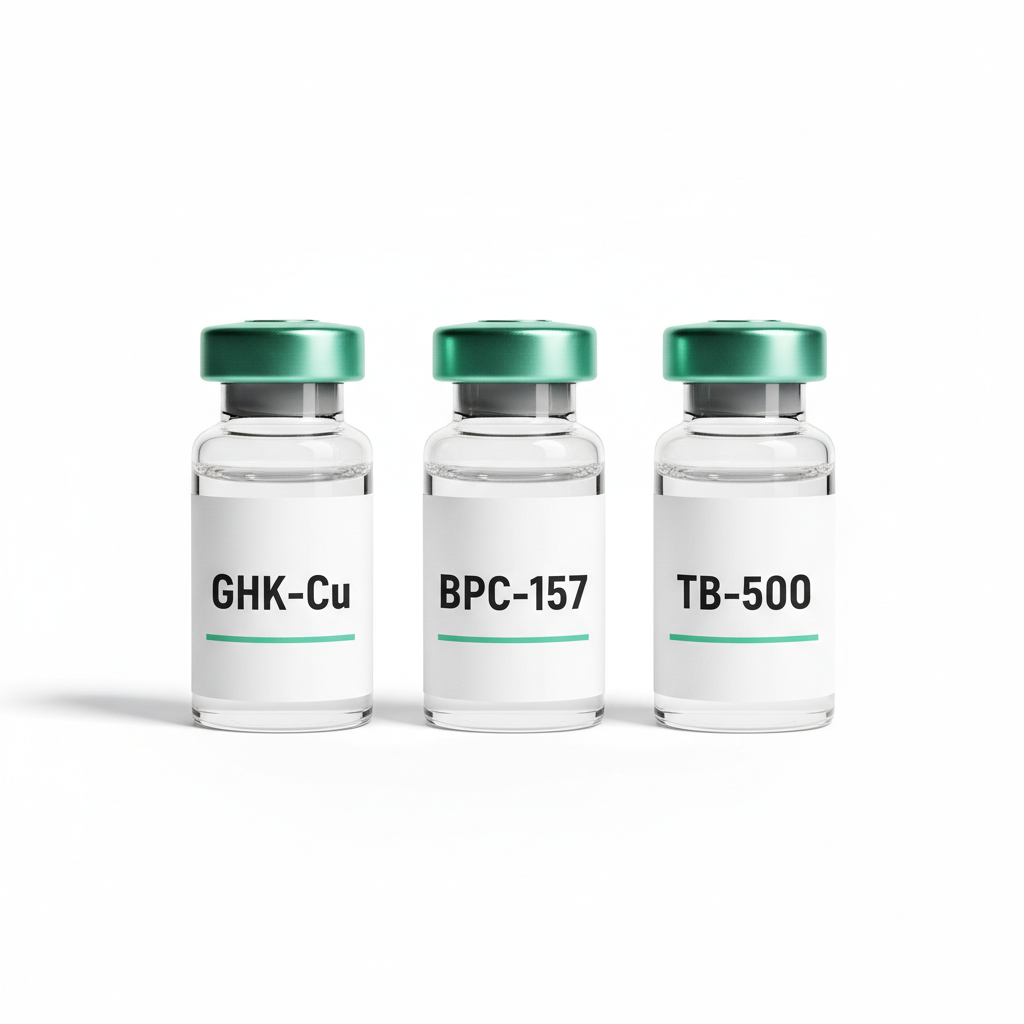 LongevityGlow (GHK-Cu · BPC-157 · TB-500)
Glow (GHK-Cu · BPC-157 · TB-500)
A combination of three experimental peptides, also called the GLOW Stack.
It is a combination of three experimental peptides: GHK-Cu, a copper peptide primarily studied for skin health, collagen production, and tissue repair; BPC-157, studied for potential tendon, ligament, muscle, and gastrointestinal healing; and TB-500, studied for potential tissue repair, cell migration, and wound healing.
It is marketed as a combination for skin rejuvenation, hair health, anti-aging, and physical recovery.
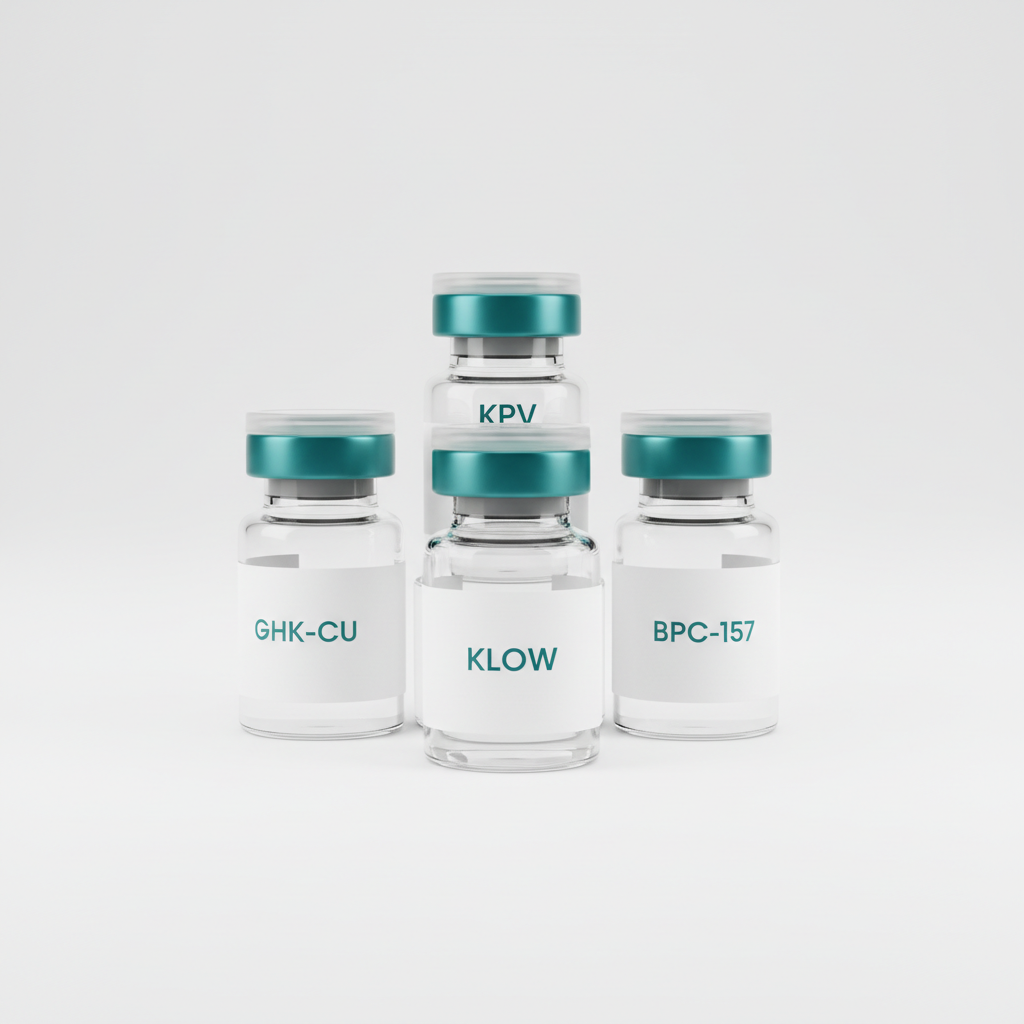 Recovery & healingKlow (GHK-Cu · BPC-157 · TB-500 · KPV)
Klow (GHK-Cu · BPC-157 · TB-500 · KPV)
A four-peptide combination studied for skin healing, inflammation, and tissue repair.
It is a combination of four peptides: GHK-Cu, a copper-binding peptide studied for skin health, collagen, and tissue remodeling; BPC-157, studied for potential tendon, ligament, muscle, and gastrointestinal healing; TB-500, studied for potential tissue repair and cell migration; and KPV, a short tripeptide fragment (lysine–proline–valine) derived from a naturally occurring hormone called alpha-MSH.
KPV is the component that sets Klow apart from similar blends: research on KPV has focused on its potential anti-inflammatory properties, including studies involving inflammatory skin conditions and intestinal inflammation. The blend as a whole is marketed for skin healing, gut health, inflammation, and physical recovery.
Klow is an experimental combination. Its individual components are each at different stages of research, and published human research on the combination itself is limited to nonexistent — the benefits claimed for the blend are not established.
 LongevityGHK-Cu
GHK-Cu
A copper-binding peptide studied for skin renewal and tissue remodeling.
Commonly called Copper Peptide, it is a naturally occurring copper-binding peptide made up of three amino acids: glycine, histidine, and lysine. It is naturally present in human blood, saliva, and urine, and has attracted attention in skincare, anti-aging, hair growth, and tissue-repair research.
GHK-Cu is particularly interesting because copper plays an important role in collagen production, skin repair, and other biological processes. Potential benefits being studied include improved skin texture, a reduced appearance of fine lines, better skin elasticity, and improved skin firmness.
 LongevityNAD+
NAD+
A coenzyme central to cellular energy, studied for healthy aging.
Nicotinamide Adenine Dinucleotide is a molecule found in every living cell in your body. It plays a critical role in converting food into energy, supporting cellular repair, maintaining DNA health, and regulating cellular processes that keep cells functioning properly.
It is often promoted as a way to improve energy, mental clarity, recovery, and healthy aging. Cellular energy: it helps mitochondria convert nutrients into usable energy (ATP) and is essential for normal cellular energy production. DNA repair and cellular health: it is used by enzymes involved in DNA repair and cellular stress responses.
Healthy aging and longevity: researchers are studying NAD+ because it supports proteins called sirtuins, which regulate cellular maintenance and metabolism — though whether boosting NAD+ extends human lifespan is not established. Brain function: it is important for normal brain-cell function, and researchers are investigating whether increasing it can support cognitive health, but meaningful improvements in memory or focus have not been reliably demonstrated. Muscle recovery and metabolism: it participates in energy metabolism and muscle-cell function, and whether supplementation meaningfully improves athletic performance or recovery remains uncertain.
 LongevityMelanotan II
Melanotan II
A melanocortin peptide studied for skin pigmentation and related appetite effects.
Commonly called MT-2, it is a synthetic peptide that stimulates your body's melanocortin receptors, particularly those involved in producing melanin, the pigment responsible for skin color. It is commonly marketed as a tanning peptide, sometimes called the Barbie Peptide.
Unlike many of the other peptides we've discussed, Melanotan II is primarily associated with skin pigmentation and sexual function rather than tissue repair or weight loss. Darker skin pigmentation: it stimulates melanin production, potentially producing a darker complexion without relying entirely on sun exposure. Increased sexual arousal: it activates melanocortin receptors involved in sexual function, and small early studies reported increased sexual arousal and spontaneous erections.
Reduced appetite: some users experience appetite suppression, though it is not an established or approved weight-loss treatment. Tanning without traditional sun exposure: it can stimulate pigmentation without requiring UV exposure to initiate the process — however, this does not mean it protects you from sun damage.
 Metabolic healthTirzepatide
Tirzepatide
A prescription dual GIP/GLP-1 receptor agonist studied for weight and metabolic health.
It is a prescription medication used for weight loss, blood sugar control, and improving metabolic health, and is considered one of the most effective medications currently available for treating obesity. It belongs to a class of medications called dual GIP/GLP-1 receptor agonists — it activates two hormone receptors: GLP-1, which reduces appetite, slows stomach emptying, and helps you feel full longer; and GIP, which helps regulate insulin secretion and blood sugar and works alongside GLP-1 to improve metabolic control.
Together, these effects can help you eat less, lose weight, and improve blood sugar regulation. You may recognize it by its two brand names: Zepbound, FDA-approved for chronic weight management in eligible adults and certain patients with obesity-related obstructive sleep apnea; and Mounjaro, FDA-approved for improving blood sugar control in adults with type 2 diabetes.
Significant weight loss: it helps reduce appetite, cravings, and calorie intake — clinical trials have demonstrated average weight loss of approximately 15–21% over 72 weeks, depending on the dose. Improved blood sugar: it helps lower blood glucose and A1C levels in people with type 2 diabetes. Improved metabolic health: it can improve several metabolic risk factors, including waist circumference, blood pressure, and triglycerides.
Potential liver benefits: weight loss with tirzepatide can improve liver fat and metabolic dysfunction, and it has also demonstrated benefits in clinical trials for certain patients with fatty liver disease (MASH). Sleep apnea improvement: Zepbound is FDA-approved for moderate-to-severe obstructive sleep apnea in adults with obesity.
You may know it by its brand names:
- Zepbound — FDA-approved for chronic weight management in eligible adults and certain patients with obesity-related obstructive sleep apnea.
- Mounjaro — FDA-approved for improving blood sugar control in adults with type 2 diabetes.
 Metabolic healthTesamorelin
Tesamorelin
An FDA-approved GHRH analog studied for reducing abdominal fat and body composition.
It is a synthetic analog of growth hormone-releasing hormone (GHRH) — a naturally occurring hormone that signals the pituitary gland to release growth hormone.
It is an FDA-approved prescription medication (brand name Egrifta) for reducing excess abdominal fat in people with HIV-associated lipodystrophy. That is its only approved use — an important distinction from the off-label promotion it sometimes receives.
Potential benefits being studied include reduced visceral (deep abdominal) fat and improved body composition. It is also discussed in fitness communities for growth hormone release, but that is off-label use and should only ever be considered under medical supervision.
Start with what you want to support

Recovery & healing
Peptides studied for tissue repair, joint and tendon support, inflammation control, and workout recovery.
BPC-157 · TB-500 · Wolverine

Metabolic health
Peptides studied for appetite regulation, blood-sugar control, body composition, and weight management.
Semaglutide · Tirzepatide · Retatrutide

Longevity & cellular health
Peptides and coenzymes studied for cellular energy, healthy aging, skin renewal, and resilience.
NAD+ · GHK-Cu · Glow
How peptides work
How peptides work in your body
A plain-language guide to what peptides are, how they send signals through your body, and what the research does — and does not — establish.
Why Health4You.co exists
Health4You.co exists to make peptide science readable. Peptide research is moving fast — into weight management, recovery, skin health, and longevity — but most of the information available is either written for researchers or written to sell something. Very little of it simply explains, honestly, what these molecules are and what the evidence actually says.
We fill that gap. Every guide on this site explains what a peptide is, what research says it may do, how it works in the body, and — just as important — what the current evidence does not establish. When a benefit is unproven, we say so in the same breath we describe it.
Nothing on Health4You.co is medical advice, and nothing here tells you to take anything. Our goal is simpler: help you ask better questions and have better conversations with qualified healthcare professionals.

Plain language first
No jargon walls. Every explanation is written so a curious reader with no science background can follow it.
Evidence, with the caveats intact
We describe what research suggests — and flag clearly where evidence is limited, preliminary, or not established.
Education only, never advice
We inform; we never prescribe, recommend, or sell. Qualified healthcare professionals make health decisions — not websites.
What is a peptide, exactly?
Peptides are short chains of amino acids — the same building blocks protein is made of, just linked in shorter sequences. Your body already makes thousands of them, and each one works like a tiny signal.
That signal role is what makes them interesting: a peptide can tell a cell to repair tissue, release a hormone, regulate appetite, or support energy production. Researchers study specific peptides to understand — and in some cases support — those signals.
On Health4You.co, every peptide page explains what the peptide is, what research says it may do, and what the current evidence does and does not support. No hype, no sales pitch — just the reference you need to ask better questions.

Tiny instruction signals
Peptides work by acting as chemical messengers in your body. They help tell your cells and organs what to do, when to do it, and how to respond.
Think of peptides as tiny instruction signals that help regulate different functions throughout your body.
How they work
Peptides are made up of short chains of amino acids, which are the building blocks of proteins. Your body naturally produces thousands of different peptides.
They send signals
Peptides attach to specific receptors on cells, almost like a key fitting into a lock.
They activate a response
Once attached, they tell the cell to perform a particular function.
They influence body functions
Depending on the peptide, this can affect hormones, metabolism, inflammation, tissue repair, or other processes.
Do peptides help your body heal and recover?
Some peptides are being studied for potential benefits involving:
Muscle recovery
Supporting processes involved in muscle repair.
Tendon and ligament health
Research into tissue healing and repair.
Joint health
Potential effects on inflammation and tissue repair.
Skin health
Supporting collagen production and skin regeneration.
Weight management
Regulating appetite, blood sugar, and metabolism.
Healthy aging
Research into cellular signaling and biological processes associated with aging.
However, these benefits are not established for every peptide. Some, such as semaglutide and tirzepatide, have strong clinical evidence for approved uses. Others, such as BPC-157 and TB-500, remain experimental and lack reliable human evidence.
What are peptides studied for?
Depending on the specific peptide, potential benefits being researched include:
Weight management and fat loss
Certain peptides and peptide-based medications can help regulate appetite, reduce food cravings, improve blood sugar control, and support significant weight loss.
Muscle growth and recovery
Some peptides are being investigated for their potential roles in muscle repair, recovery, and tissue regeneration.
Joint, tendon, and ligament health
Certain experimental peptides are being studied for their potential involvement in tissue healing and recovery from injuries.
Skin health and anti-aging
Some peptides may support collagen production, skin elasticity, skin repair, and the appearance of fine lines and wrinkles.
Hair health
Certain peptides are being researched for their potential effects on hair follicles and hair growth.
Energy and metabolic health
Peptide-based treatments can influence metabolism, blood sugar regulation, and other processes involved in cellular energy production.
Healthy aging and cellular function
Researchers are investigating how certain peptides influence cellular repair, inflammation, and other processes associated with aging.
"Potential" and "being researched" are doing real work in the sentences above. For every category here, the strength of evidence varies widely — from FDA-approved medications to early experimental research. Each peptide guide on this site spells out where its evidence stands.
Examples of popular peptides and their research areas
A few of the most talked-about names, and what each is studied for:
- Semaglutide
- Appetite regulation, blood sugar control, and weight management.
- Tirzepatide
- Weight management, metabolic health, and blood sugar control.
- Retatrutide
- An investigational medication targeting three metabolic hormone receptors.
- BPC-157
- Experimental research involving tendon, ligament, muscle, and gastrointestinal tissue repair.
- TB-500
- Experimental research involving tissue repair and cellular regeneration.
- Wolverine Stack
- A combination of BPC-157 and TB-500, studied for tissue repair and recovery from injuries.
- Glow
- A combination of GHK-Cu, BPC-157, and TB-500, studied for skin health, anti-aging, and physical recovery.
- Klow
- A combination of GHK-Cu, BPC-157, TB-500, and KPV, studied for skin healing, inflammation, and recovery.
- GHK-Cu
- Skin health, collagen production, and hair-related research.
- NAD+
- A naturally occurring molecule involved in cellular energy production and DNA repair. It is not technically a peptide.
- Melanotan II
- An experimental compound studied for skin pigmentation and melanocortin activity.
- Tesamorelin
- An FDA-approved GHRH analog studied for reducing excess abdominal fat and body composition.
The bottom line
The bottom line
Peptides work by sending specific biological signals that influence how your body functions. Some have proven medical benefits, while others are still being researched.
Educational information only
Everything on Health4You.co is published for education. Nothing here is medical advice, diagnosis, or treatment — and nothing here tells you to take anything. Peptides affect real biology, so always talk with a qualified healthcare professional before making decisions about your health.